

In today’s fast-paced online world, businesses must use the internet to connect with customers effectively. Without planning, efforts often fail. A digital marketing strategy provides direction by setting goals, identifying audiences, and selecting the best channels. It makes marketing structured, measurable, and results-driven. Understanding what is digital marketing strategy is helps businesses compete and grow stronger.
A clear strategy ensures every marketing activity aligns with business objectives. Instead of random campaigns, businesses create consistent messages that reach the right audience. Planning also reduces wasted effort and improves return on investment. Whether a small business or large enterprise, knowing how strategies work ensures long-term success in an increasingly digital marketplace.
Understanding Digital Marketing Strategy
A digital marketing strategy is a structured plan that outlines how a business will achieve growth through online marketing. It combines audience research, channel selection, and campaign planning. Unlike traditional marketing, it leverages digital tools like SEO, social media, and paid advertising. Understanding what is digital marketing strategy provides a foundation for success in the modern economy.
It’s important to distinguish between strategy and tactics. A strategy is the long-term vision and direction. Tactics are the specific actions, such as running Facebook ads or writing blog posts. Without strategy, tactics are scattered and ineffective. By building a strategy first, businesses align resources, reduce risks, and maximize opportunities across all digital touchpoints.
Key Elements of a Digital Marketing Strategy
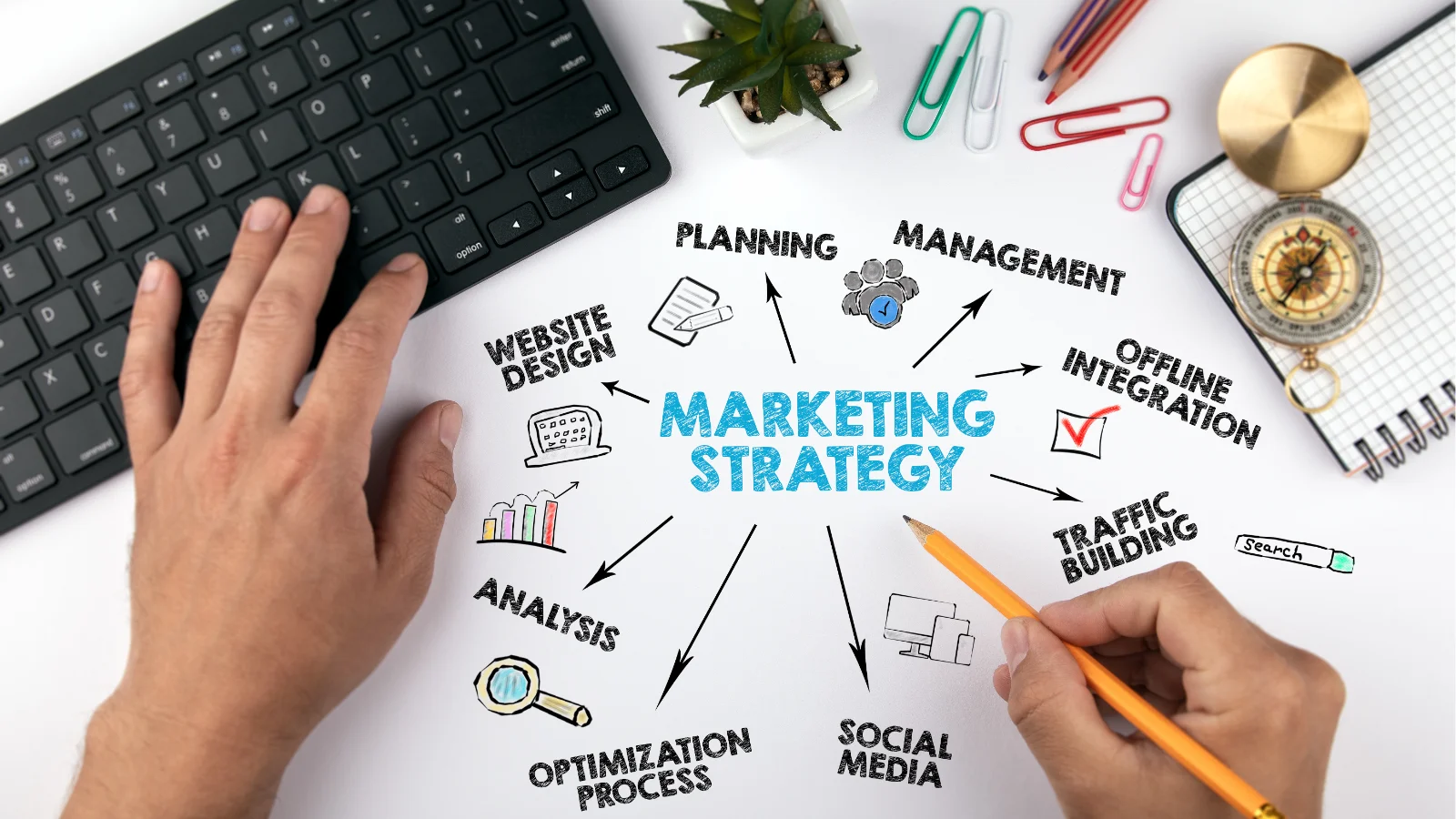
The first element is audience research. Businesses must understand customer behavior, preferences, and pain points. This ensures messages connect meaningfully with buyers. Next, clear goals must be set, whether increasing sales, generating leads, or building brand awareness. Each goal guides marketing decisions and determines which digital channels will deliver the most impact.
Another key element is value proposition. Businesses should define what makes their product or service unique. Effective positioning helps brands stand apart in crowded markets. Finally, channel selection is essential.
Using the right combination of SEO, social media, email, and paid advertising allows businesses to reach audiences effectively and achieve stronger engagement and measurable growth.
Benefits of Having a Clear Digital Marketing Strategy
A clear digital marketing strategy ensures consistency across campaigns. Instead of disjointed messaging, businesses maintain a unified voice. This builds trust and strengthens brand recognition over time. Consistent strategies also make customer journeys smoother, as buyers experience a clear narrative from first contact to final purchase.
Another major benefit is improved return on investment. By focusing on the right audience and channels, businesses avoid wasting money on ineffective efforts. Data-driven strategies enable better measurement of results, allowing adjustments where needed.
Ultimately, a strong strategy increases engagement, boosts conversions, and delivers competitive advantage against less organized competitors.

What Is Digital Marketing Strategy – Step by Step Framework
Building a digital marketing strategy requires a clear and structured approach. Each step plays a vital role in shaping results. From setting goals to tracking performance, businesses must follow a process that ensures consistency, efficiency, and measurable growth. Below are the essential steps explained in detail.
Define Clear Business Goals
Every strategy begins with clear goals. These may include increasing sales, building brand awareness, or generating qualified leads. Goals provide direction and help measure success. Without them, campaigns lack purpose and often fail to deliver meaningful results.
Research Your Target Audience
Knowing your audience ensures your marketing speaks directly to them. Study demographics, online behavior, and interests. Identify pain points and needs. Understanding these details helps create relevant campaigns that attract attention and encourage engagement. Without audience research, even the best content risks reaching the wrong people.
Choose the Right Digital Channels
Different audiences prefer different platforms. Some respond best to search engines and SEO, while others rely on social media. Paid advertising and email campaigns also remain powerful tools. Select channels based on audience behavior and business goals. Focusing on the right platforms increases efficiency and ensures stronger results.
Develop High-Value Content
Content fuels every digital channel. Blogs, videos, infographics, and ads all influence customer decisions. Effective content educates, entertains, or solves problems for your audience. Tailored content builds trust and improves visibility. By delivering real value, businesses strengthen relationships and guide customers naturally toward purchase decisions.
Allocate Budgets and Resources Wisely
Budgeting decides how far campaigns go. Assign resources where they will create the highest impact. Balance spending across organic growth, like SEO, and paid promotions. Consider time, team expertise, and available tools. A well-planned budget prevents overspending while maximizing the effectiveness of each marketing effort.
Track and Optimize Performance
A strategy only works if results are measured. Monitor website traffic, leads, and conversion rates regularly. Use analytics tools to identify what succeeds and what fails. Tracking ensures resources are not wasted. Optimization allows businesses to adjust campaigns quickly, improving performance and driving continuous growth.
Popular Digital Marketing Channels Used in Strategies
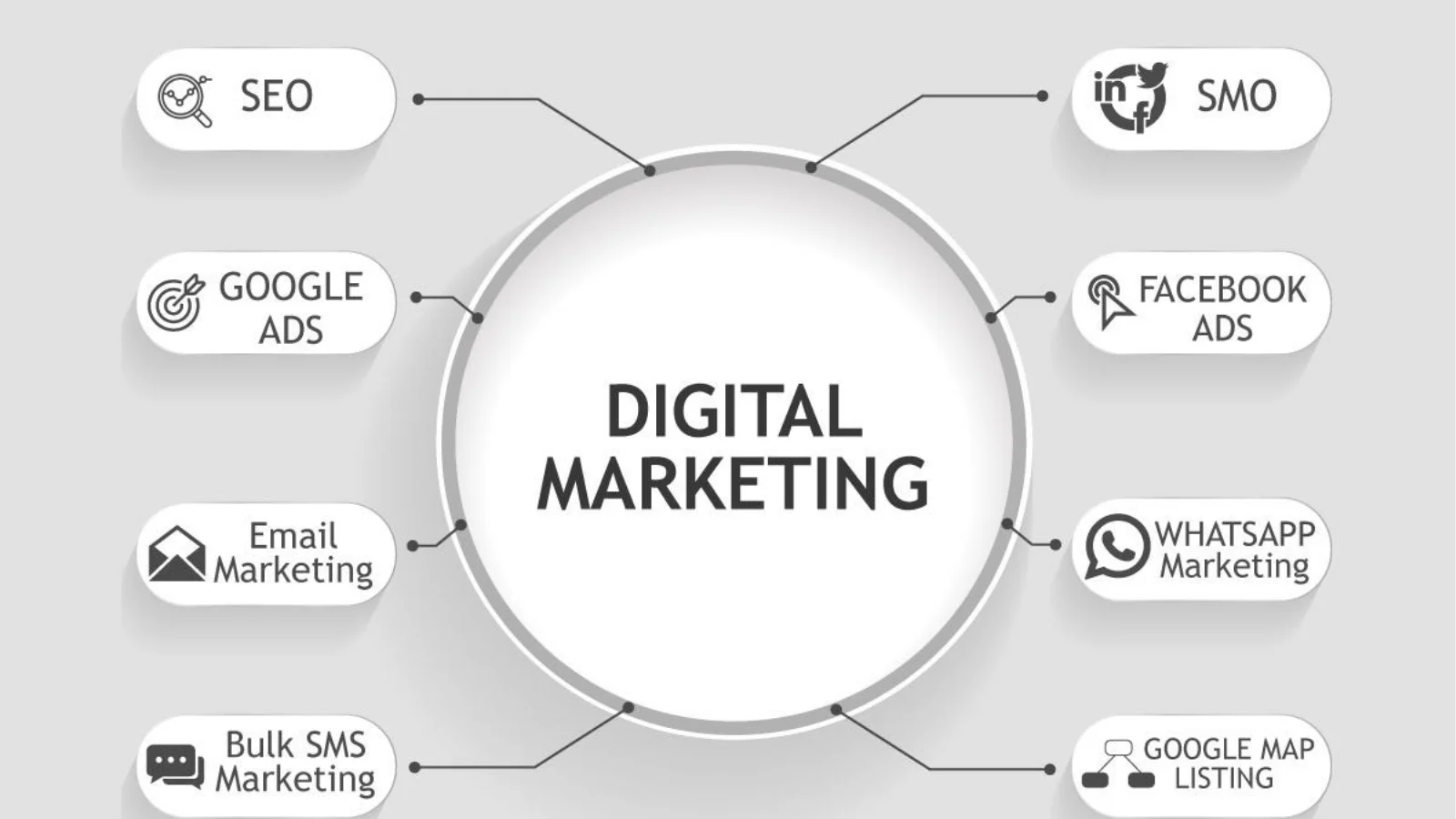
SEO is one of the most important channels. It improves visibility in search engines, making it easier for potential customers to find businesses. Content marketing supports SEO by providing valuable blogs, videos, and guides that answer customer questions and build trust. These channels work together to create organic growth and long-term customer loyalty.
Paid channels are also critical. Google Ads allow businesses to reach audiences quickly through targeted campaigns. Social media platforms like Facebook, Instagram, and LinkedIn help build engagement and brand awareness.
Email marketing, often underestimated, remains powerful for nurturing leads. Each channel, when part of a broader strategy, strengthens overall performance and measurable success.
Common Mistakes in Building a Digital Marketing Strategy
A common mistake is ignoring data. Many businesses rely on assumptions rather than research. Without data, strategies lack precision. Another frequent error is trying to use every channel at once. This dilutes effort and reduces effectiveness. Focusing on fewer, high-impact channels creates stronger, more manageable results that align with available resources.
Another mistake is failing to set key performance indicators. Without measurable goals, it’s impossible to track success. Poor alignment between sales and marketing teams is also problematic.
When departments don’t work together, opportunities are missed, and messages become inconsistent. Avoiding these mistakes ensures strategies remain practical, sustainable, and focused on long-term outcomes.
Signs Your Business Needs a Stronger Digital Marketing Strategy
- Declining website traffic – If visits fall despite regular content, your strategy is not reaching the right audience.
- Low conversion rates – Campaigns may attract attention but fail to persuade customers to act, reducing revenue.
- Competitors outperforming you – Rivals ranking higher in search results or social feeds signal stronger strategies.
- High ad costs with poor returns – Overspending without conversions suggests weak targeting and wasted resources.

Measuring Success of a Digital Marketing Strategy
Measurement ensures strategies remain effective. Key metrics include website traffic, conversion rates, customer acquisition costs, and customer lifetime value. These reveal how well campaigns perform and where improvements are needed. Tools like Google Analytics and CRM platforms provide actionable insights. Measuring consistently ensures resources are used efficiently, and results match business goals.
Continuous optimization is vital. Data should guide decisions at every stage. If one channel underperforms, resources should shift toward better-performing areas. Regular reviews allow businesses to adjust quickly and improve outcomes. A strong measurement system transforms strategies from static plans into living processes that evolve with changing markets and customer needs.
Call for Expert Digital Marketing Strategy Services Today
Building an effective digital marketing strategy takes time and expertise. Mistakes waste resources and slow growth. Professionals bring the knowledge needed to design tailored strategies that deliver measurable success. Expert support helps businesses avoid common pitfalls while achieving stronger engagement and higher conversion rates.
From SEO and ads to automation and consultation, expert services cover every aspect of digital growth. Partnering with professionals ensures consistency, scalability, and lasting results. To compete effectively in today’s digital marketplace, businesses should invest in expert guidance. Contact our team today to build a strategy that drives growth and keeps you ahead of competitors.
Conclusion
A digital marketing strategy provides structure and direction in a competitive online world. It defines goals, identifies audiences, and selects the right channels. With strategy, campaigns become consistent, effective, and measurable.
By understanding what is digital marketing strategy, businesses can plan smarter, avoid wasted effort, and build long-term growth. The right approach ensures success, security, and competitive advantage in any industry.
Frequently Asked Questions
What is the difference between strategy and campaign?
A strategy is the overall plan guiding direction. A campaign is a short-term initiative designed to achieve specific goals.
How long does it take to see results?
Results vary, but most strategies deliver noticeable outcomes within three to six months of consistent execution and optimization.
Can small businesses afford digital marketing strategies?
Yes, strategies can be scaled. Small businesses can start with affordable channels like SEO, local search, and email marketing.
What are the first steps in creating one?
Start with goal-setting, audience research, and channel selection. These foundation steps create focus and ensure resources are well used.